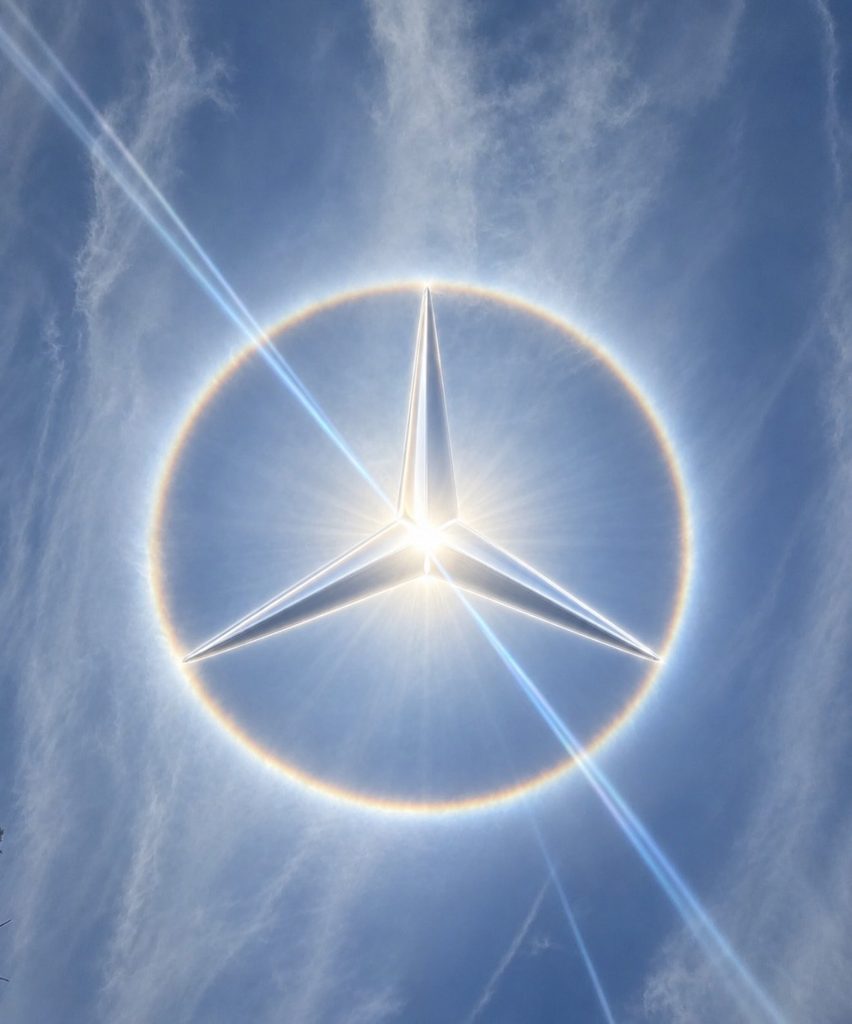
In My Culture: A ring around the sun and the traditional signs behind it
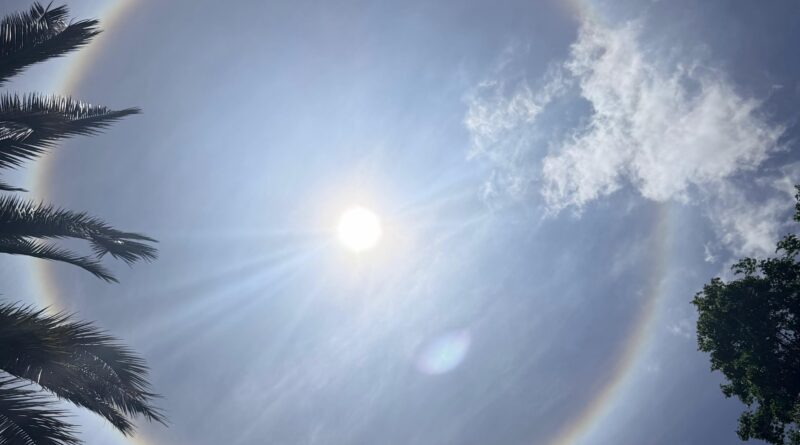
A glowing ring appeared around the sun over parts of Gauteng on Monday, 16 November, prompting South Africans to look up, take pictures and share their interpretations of the unusual sight.
While some social media users joked that the world was coming to an end, others questioned whether it was a spiritual warning. There were also warnings telling people not to mistake the phenomenon for a sign that they should undergo traditional initiation.
But what does the ring actually mean, and is there a connection to traditional knowledge?
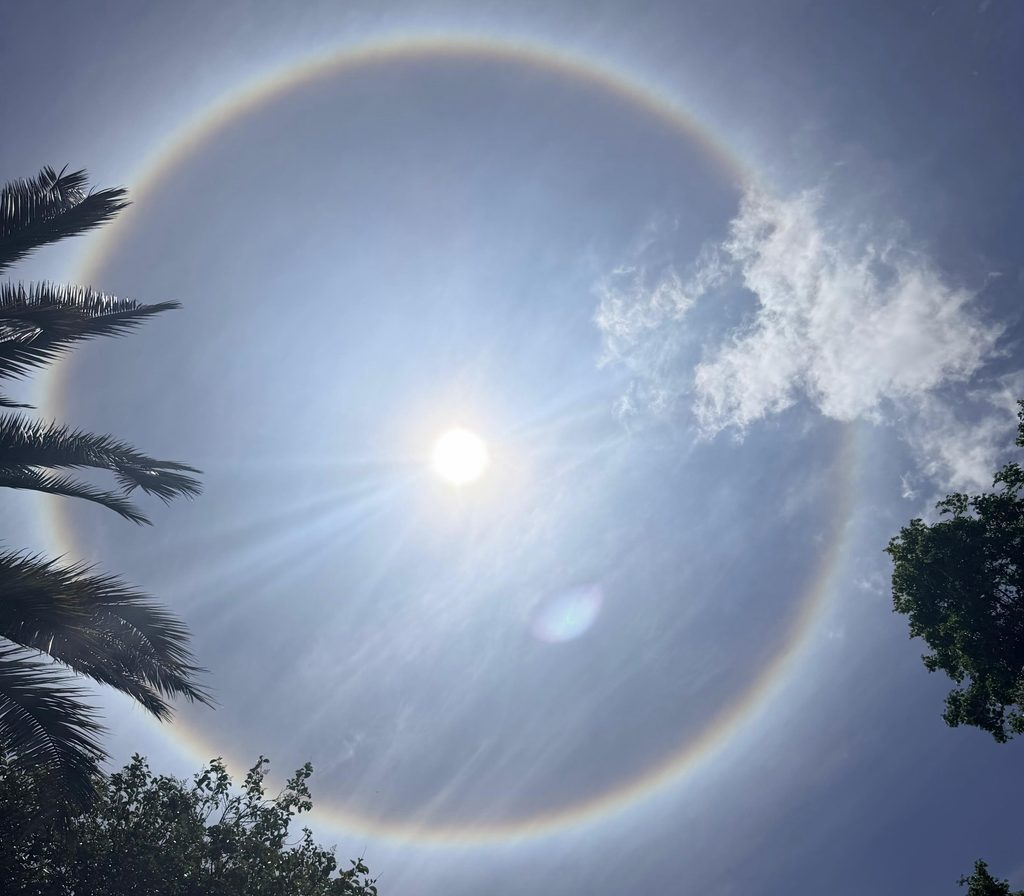
What causes a ring around the sun?
Known as a 22-degree solar halo, the phenomenon occurs when sunlight passes through tiny hexagonal ice crystals suspended in high-altitude clouds, bending the light to form a circular ring around the sun.
The South African Weather Service explained the science behind the display, attributing the phenomenon to ice crystals in high-level clouds.
In My Culture: Protection and abundance
But alongside the scientific explanation, some South Africans offered their own cultural interpretations of what people had witnessed.
Sharing the cultural interpretation, some described the phenomenon as “light holding light”. Umlambo oPhilayo said that when the sun wears a ring like this, elders remind us that it is a sign of protection, with the circle representing something that can never be broken. Crystal Africa said the sight which resembles an eye symbolises protection and abandance.
Reading the signs in the sky
There is also a connection to how some South African communities have traditionally observed the sky to anticipate changes in weather.
A 2022 study by the University of Limpopo, titled Assessing and documenting the use of Indigenous Knowledge Systems in weather and seasonal climate forecasting, examined how smallholder farmers in Moletjie, Limpopo, used natural indicators to forecast local weather and seasonal conditions.
The research, conducted by Serole Angela Chokoe, documented observations of halos around the sun and moon as indicators associated with expectations of normal or above-average rainfall.
For farming communities, such observations could help inform decisions about planting and preparing for the coming season.
Between folklore and science
The study offers a documented example of how traditional weather knowledge is used alongside observations of the natural environment.
It does not, however, establish that a solar halo signals the end of the world, the need for traditional initiation, or a particular spiritual event.
Monday’s sighting may have prompted speculation on social media, but it also brought attention to how communities have used observations of the sky to anticipate changes in the weather.
As modern meteorology explains the formation of the halo through ice crystals and the bending of sunlight, research from Moletjie shows how traditional weather knowledge has also shaped people’s understanding of the natural environment.
Brands get a halo of inspiration