
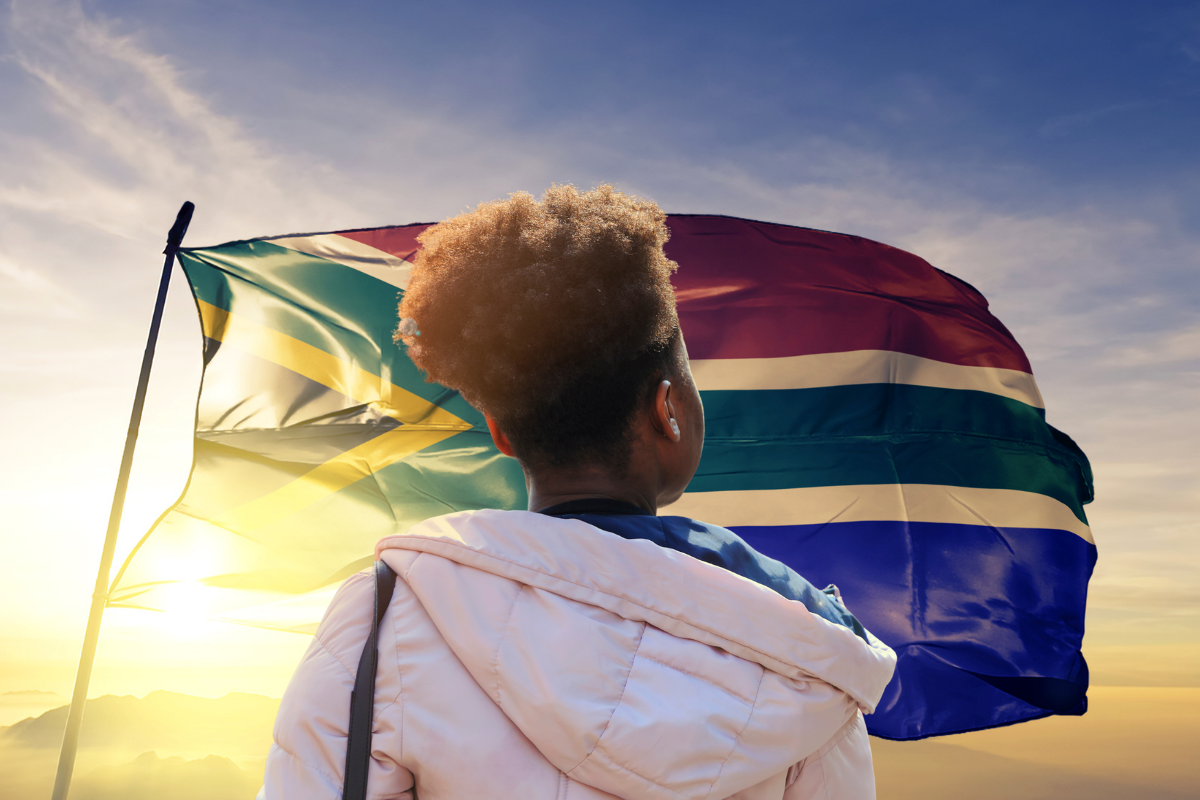
In My Culture: Motho ga a lahlwe – This Youth Day, spare a thought for the children caught in SA’s immigration crisis
Amid the ongoing wave of unrest targeting illegal immigration and concerns over porous borders, some questions remain unanswered.
What will happen to the children, their education, and their social and psychological well-being as and after their parents cross borders while countries including Ghana, Malawi, Nigeria, Zambia and others evacuate some of their citizens from South Africa?
As Suba Mahalingam, writing while affiliated with UNICEF, observed: “Displacement makes it difficult to obtain information on whether children have access to basic services.”
Mahalingam also noted that “for displaced persons who have lost their home and possessions, education can restore hope and resilience, while providing the essential tools needed to build a more peaceful and just society.”
In my culture, motho ga a lahlwe – “you can’t throw out a person.”
Thousands of women and children have been affected psychologically and physiologically, and the harm suffered by various members of society must be prioritised. Some of these children never considered themselves anything less than South African, particularly those born in the country, while many of their classmates never imagined they would be separated from them permanently.
As South Africa marks Youth Month and reflects on the legacy of the young people of 1976, it is also worth sparing a thought for the youth whose lives are being reshaped by the current crisis. Some are leaving the only home they have ever known, while others are crossing borders into unfamiliar places in search of safety and stability. Whether they remain in South Africa or begin anew elsewhere on the continent, they are still Africa’s youth, and their education, dignity and future deserve equal consideration.
To support children during such circumstances, UNICEF recommends that caregivers:
- Encourage children to share their feelings and actively listen with empathy by regularly checking in and asking how they are coping throughout the day.
- Take time to support them by working together to establish new routines and achievable daily goals.
- Work through challenges together by listening to children’s views and resolving issues calmly.
- Care for themselves as well, as children often model their self-care habits on the adults around them.
- Seek help from others if they become overwhelmed or are unable to care adequately for the child, to prevent the crisis from further affecting the child’s well-being.
Lorem Ipsum has been the industry’s standard dummy text ever since the 1500s.
There is no denying that illegal immigration has, in some instances, negatively affected African children.
In some instances, the manner in which these allied march groups have carried out their operations has been both unlawful and troubling. Both citizens and immigrants, whether legal or illegal, are being affected by this instability.
Children who witness tension on social media may never fully recover from the trauma. Those who are forced to repeat a school grade or spend the remainder of the academic year out of school as a result are also likely to carry the memory of these events and the drastic changes they brought to their lives.
Some of these children were smuggled into the country, while recent figures show that the number of unaccompanied minors as young as 11 months crossing the border has increased. As a result, some may still be recovering from the trauma of entering the country only to be confronted with an abrupt departure.
A child’s brain is like a sponge; it absorbs much of what happens and is said around it. The words adults choose therefore matter, particularly during periods of conflict and displacement. UNICEF advises caregivers to be mindful of the language they use around children, noting: “Conflict can often bring with it prejudice and discrimination, whether against a people or country. When talking to your children, avoid labels like ‘bad people’ or ‘evil’ and instead use it as an opportunity to encourage compassion, such as for the families forced to flee their homes.”
Other supplementary measures could also be considered in the spirit of solidarity while supporting the newly announced immigration reforms. Amid tensions between the affected countries, adults should not lose sight of the real victims in this situation. As these matters are addressed in a socially cohesive and reconciliatory manner, the human rights violations that occurred during the protests must also be acknowledged and considered.
Lorem Ipsum has been the industry’s standard dummy text ever since the 1500s.
The following are some of the recommendations that authorities from all concerned countries could consider in support of women and children from all sides, while avoiding unnecessary public disputes that could damage African relations and lead to more devastation on the actual civilians.
- Counselling and compensation for affected families and victims of violence through coordinated efforts involving parents, schools and relevant support services.
- Cooperation between South African schools and teachers and their counterparts in other countries to coordinate with parents and ensure learners experience a smooth transfer and educational transition.
- For children separated from their loved ones, communication and contact should be facilitated through expedited processes overseen by immigration authorities, with priority given to the emotional and financial needs of affected minors.
- Expedite documentation processes for children born to South African parents and parents of other nationalities, particularly where dual citizenship arrangements are required.
Many of these challenges could have been addressed more decisively and in a more orderly manner over the years without causing widespread trauma through measures such as organised deportations, diplomatic engagement and the repatriation of asylum seekers who no longer face threats in their countries of origin. Instead, these issues were left unresolved for decades.
The current situation presents Africa with an opportunity to address long-standing concerns in a meaningful way while strengthening the continent’s economy and regional relationships. Achieving this will require setting aside egos, disrespect and grudges that lead to prolonged legal disputes, and instead prioritising the well-being of African women and children who wish to continue building the continent without animosity.
During Youth Month especially, their right to safety, education and a future free from unnecessary trauma should remain at the centre of the conversation.
Makwena Manamela is the author of the children’s book Tiseke, a social cohesion fiction series that addresses bullying and various forms of discrimination during playtime and at school. She is also a cultural and creative industries consultant and strategist, former journalist, and social impact entrepreneur.
Lorem Ipsum has been the industry’s standard dummy text ever since the 1500s.