
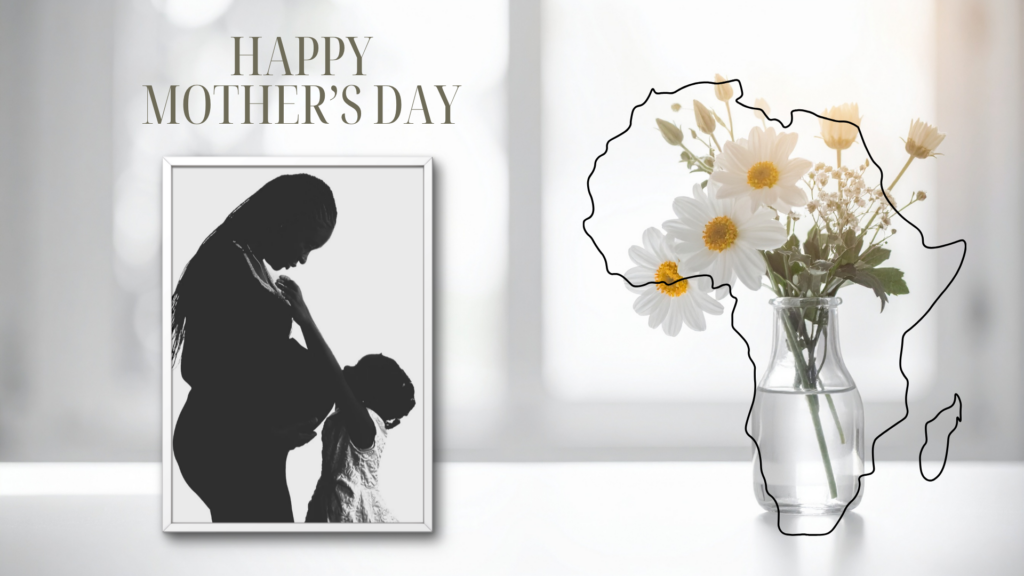
Today, social media feeds across South Africa are awash with bouquets, digital tributes, and the familiar refrain of the "strong African mother." But behind the glossy filters of Mother’s Day, a quiet, profound transformation is unfolding. While we celebrate the "backbone of the nation," we are ignoring a sobering reality: the communal safety net that once defined us has frayed into a solitary wire.
The Solitary Rise of the Modern African Matriarch
In South Africa, the traditional family structure has been fundamentally rewritten. According to Statistics South Africa, approximately 45.5% of children now live solely with their mothers, while only about 31.4% reside in homes with both parents. This is not a local anomaly; Sub-Saharan Africa currently holds the highest rate of single mothers globally, with roughly 32% of moms across the region raising children alone.
From the bustling streets of Nairobi to the suburbs of Harare, the "strong African mother" is increasingly a woman standing on her own.
These aren’t just statistics; they represent a seismic shift in how we conceive of family, labour, and survival.
Why the Village is Moving to WhatsApp
In my culture, motherhood was never intended to be a solo performance. It was a communal masterpiece. The "village" wasn't a metaphor; it was a living, breathing safety net of gogos, bomma, and neighbours. If a mother was under the weather, the pot next door was already simmering. If she worked a late shift, her child was already bathed and fed by an aunt.
Today, that village has been dismantled by the exigencies of modern life. Economic migration has scattered our support systems across provinces and time zones. A grandmother in the Eastern Cape cannot help with a school run in Sandton. An aunt in London can send a WhatsApp of encouragement, but she cannot hold a colicky infant at 3 a.m.
This physical distance has turned parenting into an individualised endurance test. We see this reflected in the declining fertility rates across the continent. In South Africa, the total fertility rate has dropped as young women witness the "triple challenge" of inequality, high unemployment, and the gender pay gap. They are choosing to delay—or entirely rethink—motherhood after watching the generations before them carry the load with shrinking physical help.
Beyond the flowers: Reclaiming Collective Care
As we honour mothers today, we must move beyond romanticising the "strength" of women who are simply surviving. True celebration requires acknowledging that the backbone of society is feeling the strain of carrying the load alone. The shift from a "village project" to a solitary one is the defining cultural story of our time.
This Mother’s Day, instead of just offering flowers, we should be asking how to reconstruct the village in a digital, urban age. Whether through workplace flexibility, communal childcare, or societal pressure on absent fathers, support a mother and be the village she needs.
Academic insight
Read More : Resilient Parenting: The Impact of Single-Parent Childcare Practices on Child Development in Mutoko District, Zimbabwe-A Lens into Global Single-Parenting Trends
In My Culture… knowledge grows when it is shared by all. Visit our social media pages and share your thoughts.