
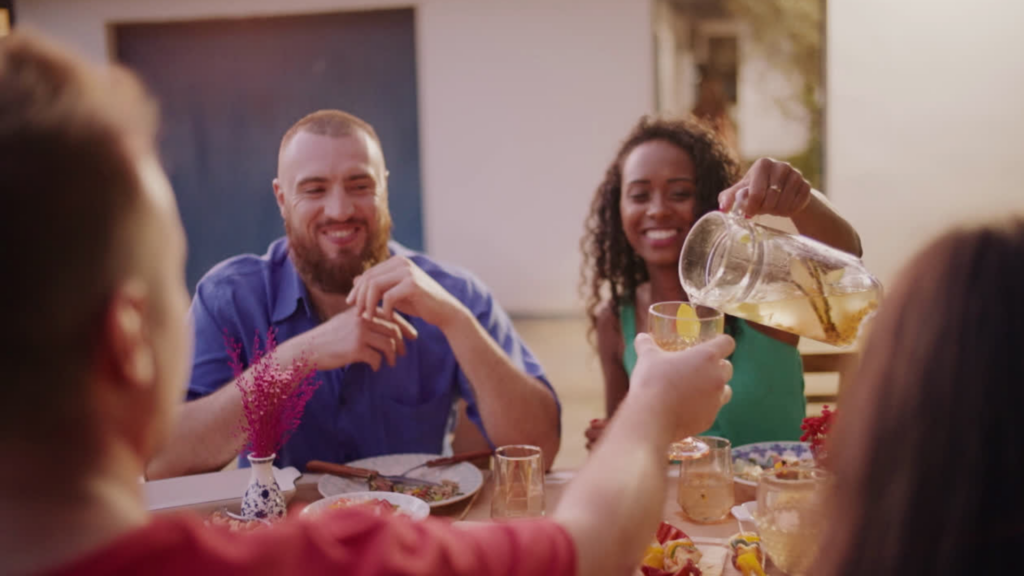
“Elbows off the table” is one of those phrases many people have heard at some point during a family meal. Whether it came from a parent, grandparent or another relative, the rule has been passed down for generations.
But have you ever wondered why?
The custom started as a practical solution rather than a lesson in etiquette.
The origin of a familiar family tradition
Medieval table design
Historically, resting your elbows on a dining surface was a severe practical hazard due to the specific construction of medieval furniture. European trestle tables were built from loose wooden planks balanced on basic frames. Leaning heavy arms on one side could cause it to wobble or shift.
Imagine it: a quick rest of your elbows and suddenly the table wobbles, the beetroot is staining the tablecloth, the bottle of wine is heading for the floor, and the Sunday seven colours are scattered everywhere except on the plate.
In other words, keeping your elbows off the table may once have been a sensible way to keep the meal and the table together.
Crowded dining conditions also played a role. At medieval feasts, people often sat closely together. An elbow sticking out could easily bump a neighbour, knock over a cup or take up valuable space.
Good table manners
The practical table rule eventually became part of everyday etiquette that’s now practiced across cultures around the world.
As furniture design improved and tables became sturdier, the original reason behind the custom started to fade, but the behaviour remained. Families continued teaching it, and it gradually became associated with courtesy, posture and consideration for others at the table.
Over time, the phrase “elbows off the table” became less about preventing accidents and more about demonstrating good manners.
Like many family customs, the rule survived because it was passed down from one generation to the next, even as the circumstances that created it disappeared.
WATCH: Expert explains British etiquette
Does the rule belong at today’s table?
Today, some associate the custom with respect for those sharing a meal. Keeping elbows off the table can help diners avoid taking up extra space and encourage a more comfortable dining experience for everyone around them.
Modern etiquette experts generally take a more relaxed approach. In many social settings, resting your elbows on the table during conversation is considered acceptable in Africa. Western dining, however, may still follow the “no elbows on the table” etiquette guidelines.
The rule may no longer be as strict as it once was, but it continues to be viewed by some families as a sign of consideration and good manners.
The custom may still have practical value in modern life.
Many people today live in smaller homes, flats and apartments where dining areas are often more compact than in previous generations. Dining tables can be smaller, seating arrangements tighter and personal space more limited, particularly during family gatherings or celebrations.
In these settings, keeping elbows off the table can help prevent accidental bumps, spilled drinks and crowded place settings, much like it did centuries ago.
While modern tables are unlikely to collapse under the weight of a diner leaning forward, the idea of being mindful of the people around you remains relevant.
So the next time someone reminds you to keep your elbows off the table, they may be passing on more than a lesson in etiquette. They may be keeping alive a tradition that has travelled from medieval dining halls to modern family meals, adapting along the way to fit the spaces and lifestyles of each new generation.
In My Culture… knowledge grows when it is shared by all. Visit our social media pages and share your thoughts.