
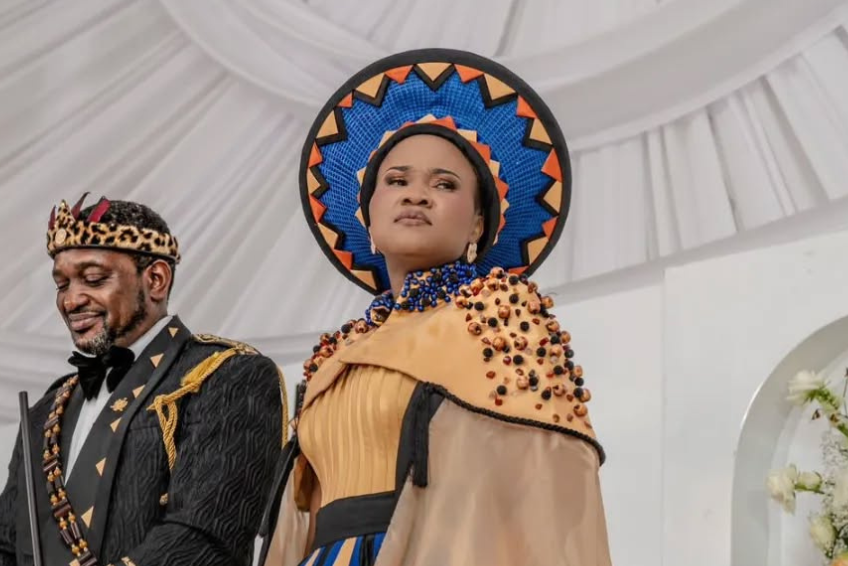
A month before South Africa marks Women’s Month, perhaps it is time to say something many women are already thinking.
All hail the Zulu queen.
Not because she is royal.
But because, intentionally or not, Queen Nomzamo Myeni has forced the country into a conversation many families have avoided for generations.
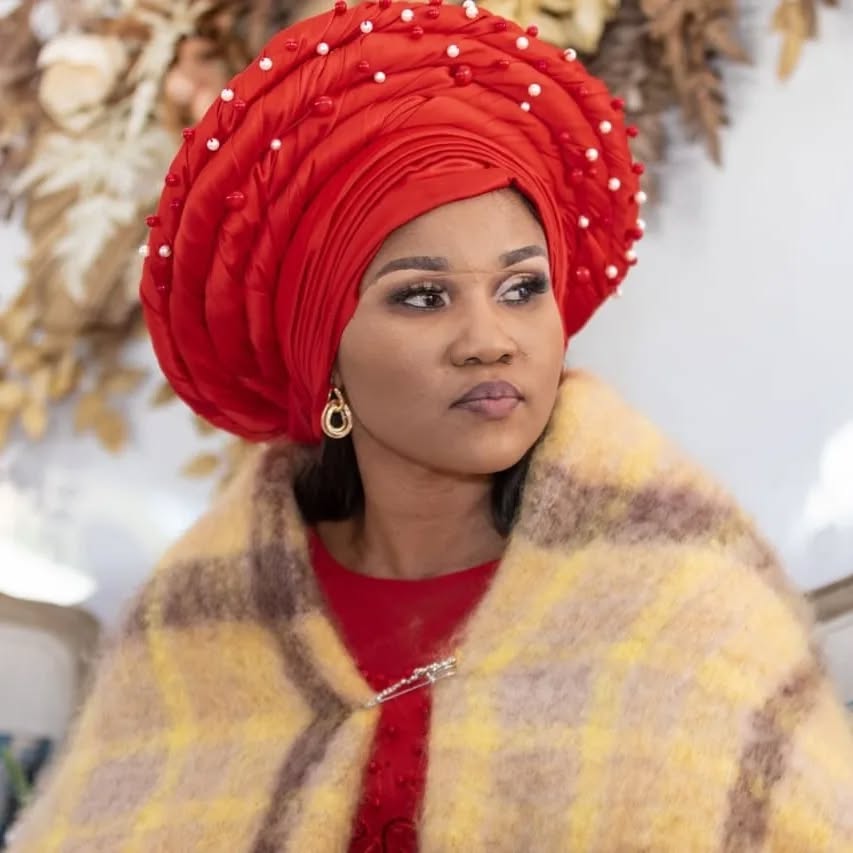
The leaked video involving AmaZulu King Misuzulu kaZwelithini and his wife has dominated headlines, social media feeds and family WhatsApp groups. In one of the video’s most talked-about moments, Queen Nomzamo quietly says: “This is the life that I live, day and night.”
It is a simple sentence.
Yet for many women, it sounded painfully familiar.
The palace may be royal, but the experience being discussed is not.
Watch: King Misuzulu berates Queen Nomzamo in viral video
📌🤦🏽Seen here King Misuzulu holding a beer bottle, hurling insults at his wife Queen Nomzamo Myeni and accusing her of infidelity after paying R10 million lobola. He also threatened to physically assault her.
— Chimbwa (@Cde_begar) July 9, 2026
🔶She’s very beautiful, it might be true given Zulu men and their… pic.twitter.com/1mCQESIIas
Lebitla la mosadi ke bogadi?
Across South Africa, countless women have uttered similar words in private. Some have said them to sisters. Others to friends, mothers or pastors. Many have simply kept them to themselves.
For generations, African culture has wrapped married women in a tight shroud of endurance. The old proverb lebitla la mosadi ke bogadi, meaning a woman’s grave is at her marital home, has often been used to encourage women to persevere through hardship.
At times, it has also been used to encourage silence.
Women are expected to protect the dignity of the family. To be patient. To endure. To think about what society will say.
Keep it at home.
Take it to the elders.
Do not embarrass the family.
These are phrases many women know all too well.
Ironically, the video itself appears to suggest that this very process may already have been under way. There are moments that indicate attempts may have been made to deal with the matter privately and within traditional structures.
Yet it also raises an uncomfortable question.
What happens when those interventions do not work?
What happens when family meetings end and nothing changes? What happens when the elders cannot resolve the matter or when the woman involved still feels unheard?
For many women, this is where the advice remains the same.
Be patient, pray about it, give it time, endure a little longer…
But modern life is challenging these ideas.
Another troubling aspect of the public reaction has been the attempt by some people to shame Queen Nomzamo for entering the marriage as a mother.
Social media comments have pointed to the fact that she had children before marrying the King, as though that somehow changes the conversation.
But what do her children have to do with any of this?
And what does her history have to do with the treatment she receives in her marriage?
The two are not connected.
African families have long embraced blended families. Across communities, women with children have gone on to marry men who lovingly accepted those children and became fathers to them. Men have done the same.
This is not new.
African culture has often been more communal in its understanding of family than modern social media commentary would suggest. Children have long been raised by grandparents, aunts, uncles and step-parents.
Shaming a woman because she had children before marriage misses the point entirely.
Worse still, it shifts attention away from the real conversation.
Again, the focus returns to the woman.
This is the double standard many women live with.
If a woman stays silent, society asks why she stays. If she speaks out, society asks why she exposed the matter. If she has evidence, her motives are questioned. If she does not, her experiences are doubted.
There seems to be no correct way for women to suffer.
The question many people should perhaps be asking is a far simpler one.
What exactly did we expect Queen Nomzamo to do?
Remain silent?
Keep enduring?
Wait until things become worse?
The proverb says a woman’s grave is at her marital home. But did we really expect her to stay there until she actually died?
African culture values marriage, family and respect. Those values still matter. But culture should never become another word for endurance at all costs.
Tradition evolves.
The same cultures that teach ukuhlonipha also teach care, protection and ubuntu. Human dignity should not end where marriage begins.
Not every disagreement belongs in the public square.
But harm is different.
When someone feels the need to document their reality, perhaps the bigger question is not why they pressed record.
Perhaps it is why they felt they had to.
As Women’s Month approaches, Queen Nomzamo’s words should linger in the national conversation.
“This is the life that I live, day and night.”
For some women, those words are not royal.
They are everyday life.
And perhaps that is the real cultural reckoning facing South Africa today. If culture asks women to endure everything in silence, then maybe it is culture itself that needs another family meeting.