

How 2026 Met ‘Gala Costume Art’ theme honoured global cultures
The steps of the Metropolitan Museum of Art transformed into a global gallery this year as the 2026 Met Gala theme, “Costume Art,” challenged stars to treat fashion as a vessel for heritage with living masterpieces that told stories of lineage and culture.
On the red carpet, that idea came to life in different ways. Some leaned into archival references. Others reimagined traditional dress through a modern lens. The result was a mix of nostalgia and reinvention, with each look offering a glimpse into culture as lived experience rather than costume.
The night proved that fashion is the most intimate way we display our culture to the world.
Beyoncé: American legacy
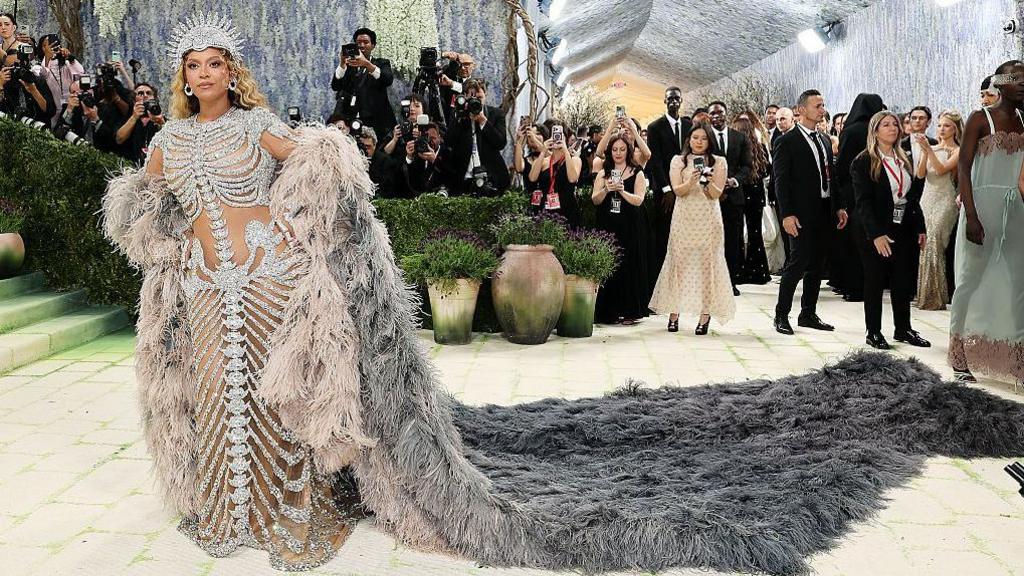
As a co-chair, Beyoncé returned to the gala in a look that acted as a tribute to the “dressed body” in American history. Her gown was an intricate skeletal sculpture that referenced the foundations of American couture. By participating in this theme, she highlighted the overlooked Black dressmakers who built the framework of American style, turning her presence into a silent but powerful history lesson.
Karan Johar: Indian artistry
Making a landmark appearance, Karan Johar brought the soul of India to New York. He wore a custom Manish Malhotra look titled “Framed in Eternity” which featured a massive hand-painted cape.
The garment paid tribute to legendary painter Raja Ravi Varma by recreating his 19th-century portraits through thousands of hours of hand-embroidery. By wearing Varma’s work, Johar linked the golden age of Indian fine art to the modern global stage.
Lisa: The Grace of Thai Dance
Lisa made a historic statement as a Met Gala co-chair by merging her Thai heritage with surrealist art. Wearing a custom Robert Wun gown, she featured 3D-printed arms sculpted from scans of her own body and posed in traditional Thai dance gestures.
The garment was encrusted with over 60,000 crystals, turning her silhouette into a shimmering, living statue. By blending ancient movement with futuristic technology, she proved that cultural roots provide the most beautiful blueprints for modern masterpieces.
Serena Williams: Global warrior
Ciara turned the Met steps into a golden sanctuary by channeling the power of Queen Nefertiti. In a custom Celia Kritharioti gown, she embodied “Ancient Egyptian regality” with a look drenched in gold and crystals.
The highlight was her towering, sculptural headpiece that mirrored the iconic silhouette of the Egyptian queen, while her golden accessories added a modern, “cool girl” edge. By referencing Nefertiti, Ciara celebrated the enduring influence of North African history on Black American art and identity.
Serena Williams: Global warrior
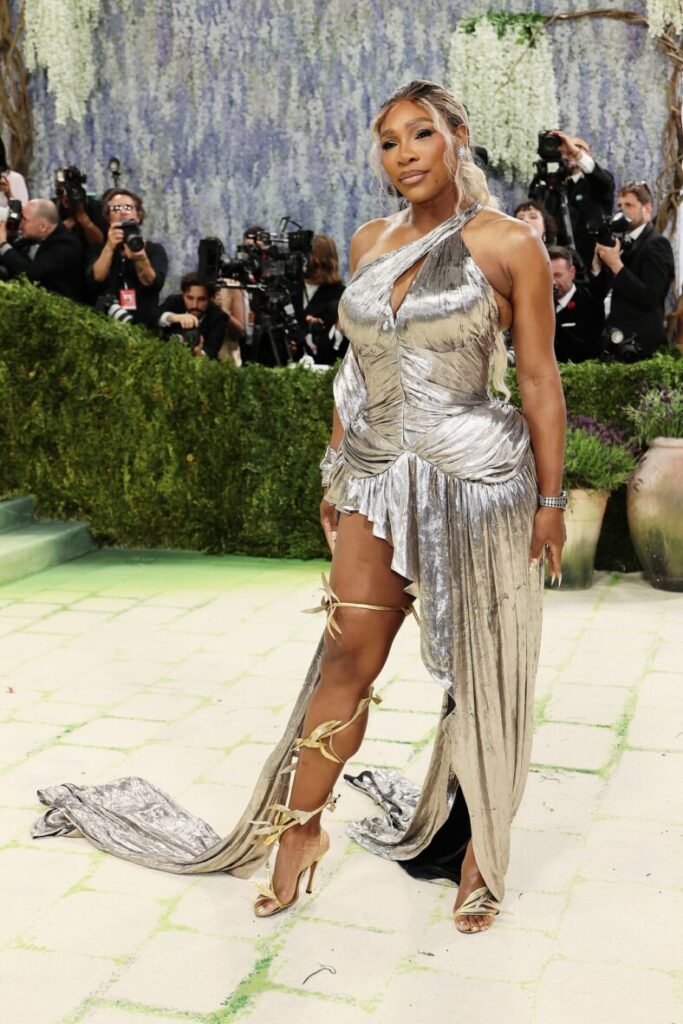
Serena Williams dominated the carpet by embracing “Gladiator Chic” in a powerful Marc Jacobs creation. The look featured a commanding silhouette that felt like ancient armor reimagined for a modern museum. A standout element was her sculptural neckpiece, which resembled traditional African beads in its tiered, rhythmic structure.
The piece bridged the gap between the strength of a Roman gladiator and the deep-rooted artistry of African adornment, proving that heritage is the ultimate shield.
Naomi Osaka: Asian fusion
Naomi Osaka used her ensemble to bridge her Japanese and Haitian roots with incredible technical precision. Her look featured 3D-printed elements sculpted into traditional Thai dance poses.
This artistic choice highlighted the fluid nature of Asian identity and how heritage can be reimagined through futuristic technology without losing its historical heartbeat.
Heidi Klum: European anatomy
Heidi Klum leaned into the European tradition of anatomical art. Working with Mike Marino, she transformed her silhouette into a structural piece that mimicked the classical sketches found in old European art academies. Her look suggested that the human form is the original canvas for all cultural expression.