
This week, South Africans paused—some surprised, others not so much—after the release of the 2026 World Happiness Report, which ranked South Africa at 101st out of 147 countries.
Just outside the top 100.
For some, it confirmed what they already feel—life is tough. The cost of living is high, opportunities feel limited, and daily pressures are real. The report itself measures things like income, social support, life expectancy, freedom, generosity, and even perceptions of corruption. By those standards, it makes sense why South Africa might slip down the list.
But still… “unhappiest”?
Beyond the numbers
That’s where it gets complicated.
Because step outside the data for a moment, and you’ll find a different kind of truth—one that doesn’t always show up in global rankings.
Globally:
- Finland holds onto the number one spot for the ninth consecutive year.
- Nordic countries—Denmark, Iceland, Sweden, and Norway—continue to dominate the top ranks.
- Costa Rica made a notable jump into the top five, signalling a broader shift beyond Europe.
Closer to home:
- South Africa has slipped in recent years, reflecting declining life satisfaction.
- Contributing factors include:
- Economic pressure and the rising cost of living
- Concerns around corruption
- Health and quality of life challenges
- Across Africa, Mauritius ranks as the happiest country, while South Africa has fallen in comparison.
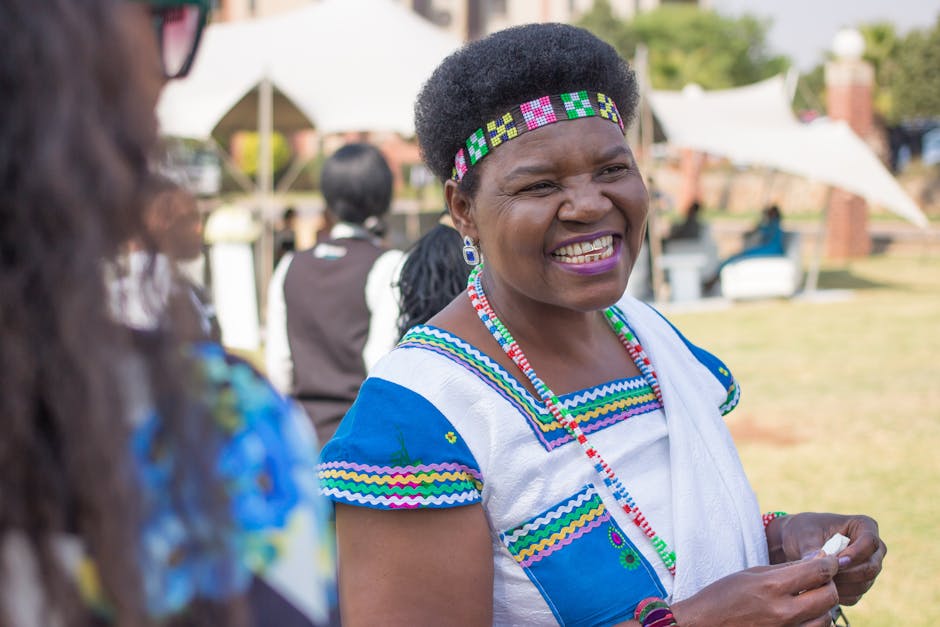
Spend a day in a taxi, at a braai, or in a family home, and you’ll hear laughter. Real laughter. The kind that cuts through stress. You’ll see people sharing what little they have, checking in on each other, making a plan—as we always do.
Ubuntu: A different measure of happiness
In many African cultures, there’s a saying: “A person is a person through other people.” Ubuntu. It’s the idea that our wellbeing is tied to one another—that joy is not individual, but shared.
And that’s something no report can fully measure.
Globally, happiness is often defined by stability—systems that work, economies that support people, environments that feel secure. These things matter. Deeply. But here, happiness often lives alongside hardship, not in the absence of it.
We carry both.
After the storm
There’s another idiom we know well: “After the storm, the sun will shine.” It’s not about denying the storm—it’s about believing in what comes after.
Interestingly, even within the report’s findings, South Africans are noted for strong social connections and emotional resilience. That ability to keep going, to find light in difficult spaces—that’s part of who we are.
More than a ranking
So yes, the ranking tells one story.
But culture tells another.
Because in my culture, happiness isn’t just about how life looks on paper.
It’s about how we live it—together.